By the Reliable Garage Doors team · Reliable Garage Door Services LLC, Virginia Beach · Published September 17, 2026
- "Sudden" failures are rarely sudden: a grinding roller, a weakening spring, or a fraying cable usually shows itself weeks before the door quits.
- Springs and cables are visual-inspection-only for homeowners; adjustment and replacement belong to a technician.
- Norfolk's salt air speeds corrosion on springs, cables, rollers, and hinges, so check exposed metal more often than an inland home would.
- A door that is stuck open, off its tracks, hanging crooked, or has a snapped spring or cable is an emergency: stop running it and call.
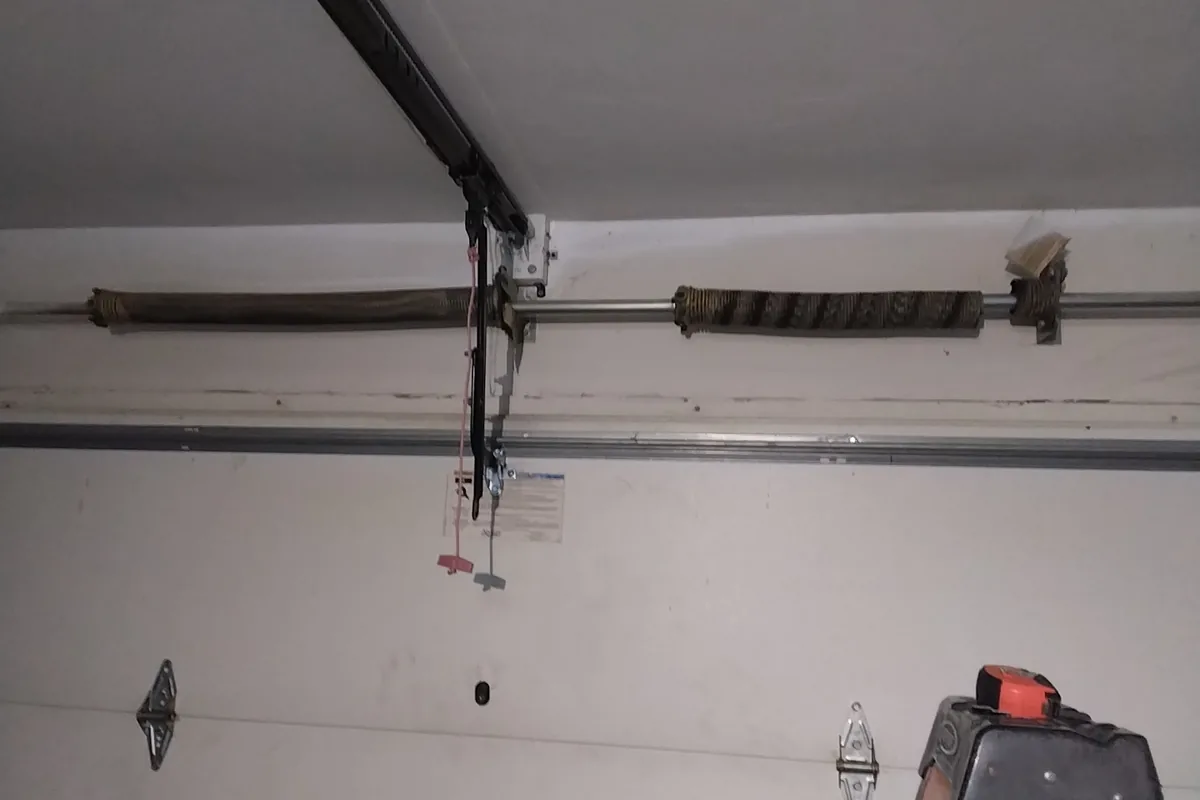
A garage door may work perfectly in the morning and suddenly refuse to open later that same day. Although these failures often feel random, most develop from wear and tear, neglected maintenance, electrical problems, or worn components that have been deteriorating for weeks or months. Understanding the causes of unexpected garage door breakdowns in Norfolk, VA can help homeowners recognize early warning signs, schedule timely repairs, and avoid being stranded with a door that will not open or close.
When problems do appear, professional garage door repair norfolk from Reliable Garage Doors can help identify deeper issues within the system and determine the safest, most practical repair.
Why Do Garage Doors Suddenly Break Down?
Garage doors rely on several mechanical and electrical components working together. Springs counterbalance the weight of the door, cables assist with controlled movement, rollers travel through tracks, sensors provide important safety functions, and the garage door opener automates daily operation.
When one component deteriorates, it may increase stress on the rest of the garage door system.
Many garage door failures therefore aren't truly sudden. A worn-out roller may have been grinding for months. A spring may have gradually weakened through repeated cycles. Frayed cables may have slowly deteriorated before finally breaking.
Understanding the common causes allows homeowners to recognize problems before they escalate.
1. Broken or Worn Garage Door Springs
A broken spring is one of the most serious and common garage door problems.
Door springs counterbalance much of the weight of the door. Without this assistance, a garage door can become extremely difficult to lift, and the garage door opener may not have enough power to raise it safely.
Early warning signs of spring trouble include:
- A loud bang or snapping sound
- A visible gap in a torsion spring
- Rust or deterioration
- A garage door that suddenly feels heavy
- A door that rises only several inches
- Uneven movement
- An opener that strains to lift the door
Springs should only be visually inspected by homeowners. Garage door springs and cables operate under substantial tension, making adjustment or replacement a job for a professional technician.
Addressing these issues early can prevent additional strain on the door and opener.
2. Worn Rollers and Track Problems
A roller may look like a small component, but every roller plays an important role in keeping the door operating smoothly.
Worn rollers can wobble, drag, grind, or seize. As resistance increases, the door may begin shaking or moving unevenly. Eventually, a damaged roller can contribute to an off-track garage door.
Tracks can also become dirty, bent, loose, or misaligned.
During basic garage door maintenance, homeowners can inspect the tracks for obvious damage and remove dirt and debris. Healthy rollers should travel freely rather than dragging, wobbling, or hopping in the track.
Severe misalignment or damaged tracks require professional garage door repair.
3. Frayed or Broken Garage Door Cables
Cables work with the spring system to help control the garage door's movement.
Over time, cables may develop rust, kinks, fraying, or broken strands. When a cable fails, one side of the garage door can lose support, causing the door to hang crooked or become unstable.
Visible frayed cables often signal that professional repair service is needed soon.
Do not attempt to remove or tighten a damaged cable yourself. Because these components work with high-tension springs, cable repair can present a serious injury risk without appropriate training.
If a cable has already snapped, stop operating the door and schedule professional garage door repair service.
Door acting up? Reliable Garage Doors answers 24/7 at 757-208-1600, or book online.
4. Garage Door Opener Problems
Not every door failure originates with the mechanical door system. Sometimes the garage door opener is responsible.
Opener problems may involve the motor, drive mechanism, wiring, controls, circuit board, remote, safety sensors, or programming.
Signs of an opener malfunction include:
- Delayed response
- Intermittent operation
- Clicking or humming without movement
- Unexpected reversals
- Remote controls that stop responding
- A door that stops during travel
- Unexplained opening or closing
Professional garage door opener repair can determine whether the opener needs adjustment, a replacement component, or complete replacement.
Why Does My Garage Door Opener Work Sometimes and Sometimes Doesn't?
Intermittent opener operation can be particularly frustrating because the system may work normally during troubleshooting and then fail again later.
Start with simple possibilities. Replace the remote batteries, test the wall control, check electrical power, inspect the sensors for obvious obstruction, and confirm that the emergency release has not accidentally disconnected the door and opener.
If the malfunction continues, the cause could involve wiring, an overheating motor, receiver problems, a failing circuit board, sensor issues, or deeper issues within the system.
Intermittent problems should not automatically be dismissed because the opener begins working again. Repeated failures are warning signs that professional troubleshooting may be necessary.
5. Safety Sensor Problems
Modern garage doors use photo-eye sensors near the bottom of the doorway to detect obstructions.
Dirty lenses, misalignment, damaged wiring, or a failed sensor can cause the door to reverse unexpectedly or refuse to close.
Homeowners can carefully clean the sensor lenses and remove visible obstructions. If that does not solve the problem, further inspection may be required.
The safety-reverse system should also be tested periodically. The door should stop and reverse when its photo-eye beam is interrupted during closing.
Never bypass these safety features simply to make the door close.
6. Lack of Lubrication
Garage doors have numerous moving parts that experience friction every time the system operates.
Without appropriate lubrication, hinges, roller bearings, springs, and bearings can become noisy and wear more quickly.
Use a lithium- or silicone-based garage door lubricant on appropriate moving components. Tracks should be cleaned rather than coated with grease, and WD-40 should not be used as a substitute for garage-door lubricant.
Grinding, squeaking, and other unusual noises often signal developing problems. If lubrication does not correct the noise, professional inspection may uncover worn components that need replacement.
Broken spring? Cable off? Call 757-208-1600 any hour, any day across Hampton Roads.
7. Loose Hardware From Daily Use
Every time the garage door opens or closes, the system experiences vibration and movement.
Over hundreds or thousands of cycles, nuts, bolts, hinges, brackets, and opener mounting hardware can loosen.
Loose hardware may cause rattling, shaking, alignment problems, and increased stress on other parts.
Homeowners can periodically inspect and carefully tighten appropriate accessible hardware. However, spring-related hardware, winding components, and cables should not be adjusted.
Regular maintenance reduces the risk that a minor loose fastener develops into a more serious garage door failure.
8. Poor Door Balance
A balanced garage door should be relatively easy to move manually because the spring system offsets much of its weight.
If the springs weaken, the door may become too heavy or begin moving unpredictably.
A basic balance check involves closing the door, disconnecting the opener with the emergency release, and carefully raising the door to approximately waist height. A balanced door should generally remain near that position. If it drops or rapidly rises, professional spring service is appropriate.
Never attempt to correct spring tension yourself.
9. Weather and Moisture-Related Wear
Norfolk's location within the Hampton Roads region makes moisture and coastal conditions important considerations for garage door maintenance.
Metal springs, cables, rollers, hinges, and other hardware can develop corrosion. Once rust begins affecting moving or high-tension components, their reliability can decrease.
Coastal maintenance guidance recommends more frequent inspections of exposed metal components because salt air can accelerate corrosion compared with inland environments.
Homeowners should watch for orange rust, flaking metal, stiff rollers, and corrosion around cables and springs.
10. Why Would a Garage Door Go Up and Down by Itself?
A garage door that seems to operate by itself should be investigated rather than ignored.
Potential causes include remote-control problems, accidental commands from smart garage door openers, electrical faults, control wiring problems, or a malfunctioning opener circuit board.
First, make sure no remote button is stuck and check whether another household member or connected smart system is activating the door.
If unexplained operation continues, disconnecting the automatic opener when safe to do so and arranging professional inspection may be appropriate.
Because unexpected operation can affect both safety and the security of your home, persistent unexplained movement deserves prompt attention.
Rather not guess? Book a technician online or call 757-208-1600, 24/7.
What Is the Most Common Problem With Garage Doors?
There isn't one problem responsible for every garage door repair, but component wear is at the heart of many failures.
Springs fatigue, rollers deteriorate, cables fray, hardware loosens, sensors become misaligned, and opener components wear out over time.
This is why regular maintenance matters. Catching these minor issues early can prevent them from becoming sudden garage door failures.
Homeowners should pay particular attention to changes in sound, speed, balance, alignment, and opener behavior.
What Is the Most Common Garage Door Repair?
Spring repair and replacement are among the familiar repairs associated with garage door systems because springs perform demanding work every time the door operates.
Other common repairs include:
- Garage door opener repair
- Roller replacement
- Cable repair
- Sensor adjustment
- Track alignment
- Hinge and hardware replacement
- Weather seal replacement
- Off-track door repair
The appropriate repair depends on the type of garage door, its age, condition, maintenance history, and the specific component responsible for the malfunction.
Professional diagnosis can help homeowners avoid paying for parts that do not actually solve the problem.
When Does a Breakdown Become an Emergency?
Some garage door issues can wait for a standard appointment. Others warrant emergency garage door repair because they affect safety, security, or essential access.
Prompt service may be appropriate when:
- A spring suddenly breaks
- A cable snaps
- The garage door falls or hangs unevenly
- The door comes off its tracks
- The door is stuck open and leaves the home unsecured
- The safety reversal system fails
- The door cannot be safely opened or closed
- The opener produces smoke or a burning odor
Avoid repeatedly operating a severely damaged door. Continued movement can turn a single failed component into multiple emergency repairs.
How Regular Maintenance Helps Prevent Unexpected Failures
Preventive garage door maintenance cannot guarantee that a component will never fail, but it can reveal early warning signs before a breakdown occurs.
A useful maintenance routine includes visually inspecting springs and cables, cleaning tracks, checking rollers, testing door balance, checking safety reversal, tightening appropriate loose hardware, and lubricating designated moving parts.
A comprehensive homeowner inspection is generally useful twice a year, with lubrication approximately every three to four months. Coastal metal components may warrant more frequent inspection because of corrosion exposure.
Professional maintenance can go further by examining components that homeowners should not adjust themselves.
Need a second opinion on repair vs replace? Call 757-208-1600 or book online.
When Should You Repair or Replace a Garage Door?
Not every unexpected garage door problem requires garage door installation.
If the door remains structurally sound, targeted professional garage door repair may restore dependable performance. Replacing springs, rollers, cables, sensors, or opener components may be all that is necessary.
Replacement becomes more practical when the door is extensively damaged, heavily corroded, repeatedly breaking down, or nearing a point where ongoing repair cost outweighs its value.
A new garage door can also improve quiet operation, security and convenience, energy performance, and curb appeal.
Reliable Garage Doors can help homeowners compare repair with replacement based on the condition of the complete garage door and opener system rather than the age of one component alone.
Professional Garage Door Service Across Hampton Roads
Unexpected breakdowns are not limited to Norfolk. Garage door systems throughout Hampton Roads face the same daily cycles, mechanical wear, and environmental exposure.
Reliable Garage Doors provides repair and installation solutions for homeowners dealing with springs, cables, rollers, tracks, openers, sensors, and other garage door issues.
For homeowners needing nearby assistance, professional garage door repair chesapeake is also available for garage door needs in Chesapeake.
Professional service focuses on identifying the underlying problem so that the repair addresses the actual cause rather than temporarily masking a symptom.
Schedule Garage Door Repair in Norfolk, VA
Garage doors are essential for daily access, security, and convenience, but their many moving parts eventually experience wear. Broken springs, frayed cables, worn rollers, opener malfunctions, sensor problems, loose hardware, poor lubrication, and track misalignment are all common causes of breakdowns.
Recognizing early warning signs and addressing these issues early can reduce the risk of more extensive damage and help keep the door operating safely.
If you're experiencing unexpected garage door breakdowns in Norfolk, VA, Reliable Garage Doors provides professional garage door repair for homeowners who need dependable assistance. Call Reliable Garage Doors at 757-208-1600 to discuss your garage door problem and arrange professional repair service before a minor issue becomes a serious garage door failure.