By the Reliable Garage Doors team · Reliable Garage Door Services LLC, Virginia Beach · Published September 17, 2026
- Opens but will not close: start with the photo-eye sensors. Clean the lenses, clear the beam, and never bypass them to force the door down.
- Opener runs but the door stays put: check the red release cord first, then suspect a broken spring, and stop if the door feels heavy.
- Resetting the opener fixes electronic glitches only; it will not repair a spring, cable, roller, or bent track.
- A snapped spring, frayed cable, off-track door, or a door stuck open is an emergency: keep people and vehicles clear and call.
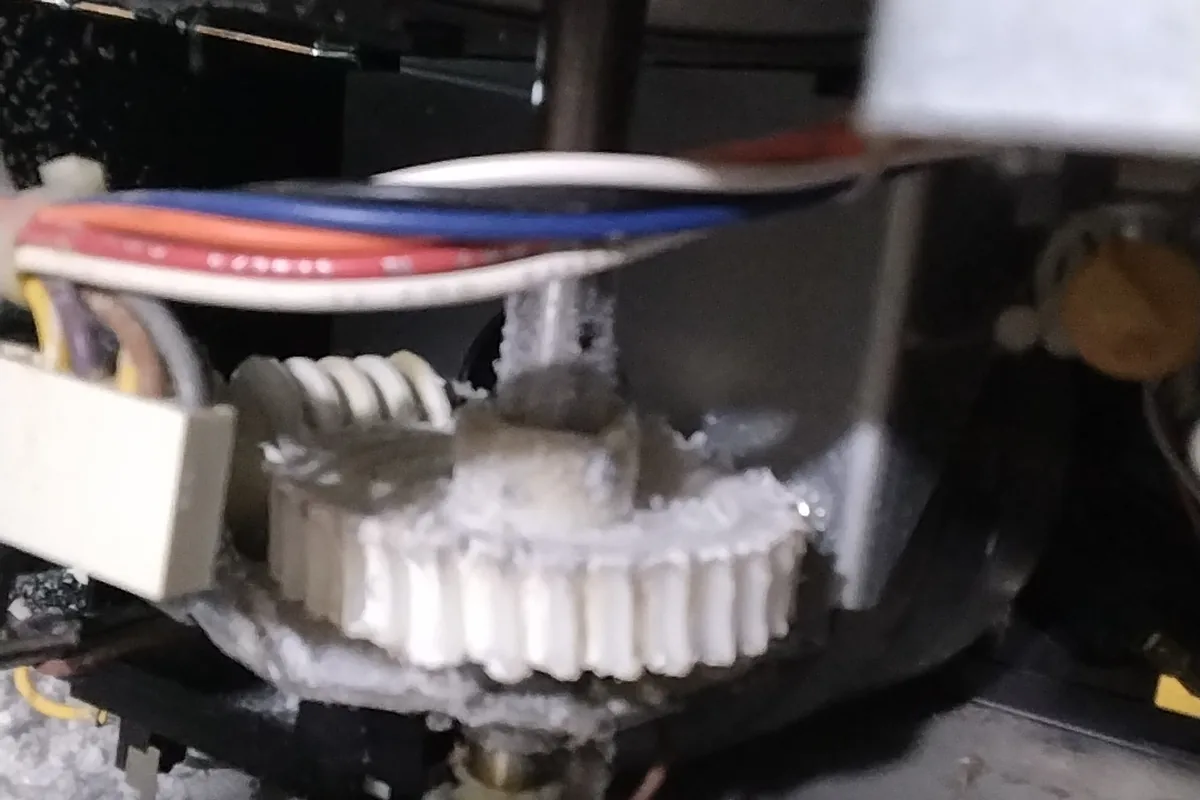
Few household problems are as frustrating as pressing the garage door opener and watching the door move halfway, reverse unexpectedly, or do nothing at all. Because modern garage doors are complex systems made up of springs, rollers, tracks, safety sensors, cables, and opener components, a malfunction can have several possible causes. Understanding why your garage door won’t open or close properly in Chesapeake, VA can help you determine which problems are safe to troubleshoot and when professional attention is necessary.
For homeowners in Chesapeake dealing with a malfunctioning garage door, professional garage door repair chesapeake from Reliable Garage Doors can help with identifying the root cause and determining whether the system needs adjustment, opener repair, spring service, or another solution.
Why Is My Garage Door Not Opening and Closing Smoothly?
A properly maintained garage door should open and close with relatively smooth, consistent movement. If it shakes, jerks, hesitates, or makes unusual sounds, the problem may involve several components.
Common garage door problems that interfere with smooth operation include:
- Worn rollers
- Bent or dirty tracks
- Loose hardware
- Poor lubrication
- Track misalignment
- Damaged cables
- Weak or broken door springs
- Garage door opener problems
- Obstructions along the tracks
The important point is that symptoms often overlap. A jerking door does not automatically mean the opener has failed, just as a noisy door does not necessarily require a new garage door opener.
A professional technician can inspect the tracks, rollers, springs, cables, and opener to identify the actual cause.
1. Dirty, Damaged, or Misaligned Tracks
Tracks guide the rollers as the garage door operates. Dirt, debris, damage, or misalignment can create resistance that causes the door to shake, stick, or stop.
Homeowners can safely perform a basic visual inspection. Look for leaves, dirt, hardened debris, obvious dents, or rollers that appear to wobble.
Tracks should generally be wiped clean rather than coated with lubricant. The rollers should travel freely without dragging, wobbling, or jumping in the channel.
Significant track damage or misalignment should be handled by a professional garage door repair technician.
2. Worn Rollers Can Make the Door Move Roughly
Rollers wear out over time. When they become damaged, rusted, or seized, the garage door may vibrate, squeak, or move unevenly.
A worn roller also creates additional resistance, potentially making the garage door opener work harder than necessary.
Routine inspection can catch worn rollers before they contribute to more serious garage door issues. If rollers are visibly damaged or the door begins moving sideways, stop operating the system until it can be inspected.
3. A Broken Spring Can Prevent the Door From Opening
The garage door spring plays a critical role in counterbalancing the door's weight. Without adequate spring assistance, an opener may not have enough power to lift the door safely.
A broken spring may be accompanied by:
- A loud bang from inside the garage
- A visible gap in a torsion spring
- A door that feels unusually heavy
- A door that rises only a few inches
- An opener that runs without lifting the door
- Uneven movement
Never attempt to adjust or replace door springs yourself. Springs and lift cables operate under substantial tension and can cause serious damage or injury when handled incorrectly. Homeowners should visually inspect these components and leave repairs to a trained technician.
Door acting up? Reliable Garage Doors answers 24/7 at 757-208-1600, or book online.
4. Why Would My Garage Door Opener Open the Door but Not Close It?
If the opener successfully raises the door but refuses to close it, safety sensor issues are among the first things to investigate.
Modern garage doors use photo-eye safety sensors positioned near the bottom of the opening. The sensors create a beam across the doorway. When that beam is interrupted, the opener is designed to prevent or reverse closing movement.
The garage door may therefore open normally but refuse to close when:
- A sensor lens is dirty
- The sensors are misaligned
- Something blocks the beam
- Sensor wiring is loose or damaged
- A sensor has malfunctioned
- The opener has a deeper mechanical or electrical issue
Start by removing obvious obstructions and gently cleaning the sensor lenses. Never bypass the safety features simply to force the door closed.
If basic troubleshooting does not solve the problem, professional opener repair may be necessary.
5. Why Is My Garage Door Not Closing Even Though There's Something in the Way?
If there is an obstruction in the doorway, the garage door should not close normally. The safety sensors are specifically designed to detect objects crossing their beam and prevent the door from closing onto them.
That behavior is an important safety feature rather than a malfunction.
The bigger concern is when a garage door continues closing even though an obstruction interrupts the sensor beam.
The photo-eye system can be tested by starting the door downward and passing an object such as a broom through the beam without placing yourself beneath the door. The door should stop and reverse. The pressure-reversal system should also cause the door to reverse after contacting an appropriate test object.
If either system fails its test, stop using the automatic door and call a professional technician.
6. Why Your Garage Door Won’t Close All the Way
A garage door that begins closing but stops before reaching the floor may have a different problem than a door that will not move at all.
Possible causes include sensor misalignment, an obstruction, track resistance, incorrect opener travel settings, damaged rollers, or a mechanical problem.
Do not repeatedly force the opener to cycle. Repeated operation against resistance can create additional wear.
If your garage door won’t close all the way after obvious obstructions and sensor problems have been eliminated, a professional inspection is appropriate.
7. The Garage Door Opener Runs but the Door Won’t Open
Suppose you hear the opener motor running, but the garage door remains stationary. Several things could be happening.
The emergency release may have disconnected the trolley from the opener. A mechanical component inside the opener may have failed. More seriously, a garage door spring could be broken.
Check whether the red cord or emergency release has been activated. This cord disconnects the door from the automatic opener so it can potentially be operated manually when conditions are safe.
However, do not assume the red cord is the solution to every door problem.
If a broken spring has made the door extremely heavy, attempting to lift the door manually can be unsafe. When you suspect a spring or cable problem, stop and call a professional.
Broken spring? Cable off? Call 757-208-1600 any hour, any day across Hampton Roads.
8. Your Garage Door May Be Out of Balance
Door balance affects how easily the garage door opens and closes and how hard the opener must work.
A homeowner can perform a basic balance test when there is no visible spring or cable damage. Close the door, use the emergency release to disconnect the opener, and carefully lift the door to approximately waist height.
A properly balanced door should generally remain near that position. A door that falls or rapidly rises indicates a balance problem that requires professional attention.
Spring tension should only be adjusted by a professional.
9. Poor Lubrication Can Cause Rough Operation
Garage door hinges, roller bearings, springs, and other moving metal components require appropriate lubrication to reduce friction.
Without routine maintenance, these components can become noisy and create unnecessary resistance.
Use a lithium- or silicone-based product intended for garage doors on appropriate moving components. Avoid using WD-40 as a substitute for garage door lubricant, and do not grease the tracks themselves.
If lubrication does not restore smooth operation, the noise or resistance may indicate worn or damaged parts.
10. How to Reset Garage Door Opening and Closing
Reset procedures differ by garage door opener manufacturer and model, so there is no single reset process that is correct for every system.
For a minor electronic malfunction, you may be able to disconnect electrical power to the opener briefly and then restore it. For programming, travel limits, remote pairing, and smart controls, follow the manufacturer's instructions for your specific opener.
Be careful with "fix guide" instructions that recommend changing force or travel settings without first identifying why the door stopped working.
Resetting the opener will not repair a broken spring, damaged cable, worn roller, bent track, or other mechanical failure.
If resetting does not restore normal operation, the problem may require professional garage door service.
When Does the Problem Require Emergency Garage Door Repair?
Not every malfunction is an emergency. A dead remote battery or minor cosmetic damage can usually wait.
Other situations require faster attention.
Consider prompt professional garage door repair when:
- A spring has snapped
- The door is hanging crooked
- A cable is frayed or broken
- The door has fallen off its tracks
- The door is stuck open and cannot secure the home
- The door falls unexpectedly
- Safety sensors fail to reverse the door
- The door cannot be safely operated manually
- The opener produces smoke or a burning smell
When a door is unstable or could fall unexpectedly, keep people, pets, and vehicles away from it.
Rather not guess? Book a technician online or call 757-208-1600, 24/7.
Why DIY Garage Door Repairs Can Be Dangerous
There is a significant difference between routine garage door maintenance and mechanical repair.
A homeowner can usually clean sensor lenses, replace remote batteries, visually inspect hardware, clean tracks, and apply appropriate lubrication.
Springs and cables are different.
A garage door spring stores significant energy. Cables also operate as part of the counterbalance system. Attempting to loosen, wind, remove, or replace these parts without professional training can cause damage or injury.
The safest approach is to let a professional garage door repair technician handle high-tension components and serious alignment problems.
Repair or Replace the Garage Door?
Not every malfunction means you need garage door installation.
If the overall door is in good condition, targeted repairs to springs, rollers, sensors, cables, tracks, or the opener may restore reliable operation.
Replacement becomes more reasonable when a garage door has extensive structural damage, repeated mechanical failures, significant corrosion, outdated components, or repair costs that no longer make sense.
A new installation in Chesapeake can also provide updated safety features, improved insulation, quieter operation, better curb appeal, and compatibility with modern garage door openers.
A reputable technician should explain whether repair or replacement provides better long-term value.
How Routine Maintenance Helps Prevent Garage Door Problems
Preventive garage door maintenance is one of the simplest ways to extend the lifespan of your garage door and catch problems before they result in a breakdown.
A useful maintenance routine includes inspecting hardware, springs, cables, rollers, tracks, weather seals, and safety sensors. Appropriate moving components should also receive periodic lubrication.
Standard maintenance guidance recommends a complete check approximately twice per year and lubrication every three to four months.
For homeowners in Chesapeake and throughout Hampton Roads, periodic professional inspections can complement these homeowner checks by evaluating components that should not be adjusted without training.
Professional Garage Door Repair Across Hampton Roads
Some garage door problems are easy to identify. Others require systematic troubleshooting because a symptom that looks like an opener malfunction could actually originate from the spring, track, rollers, or safety system.
Reliable Garage Doors provides garage door repair and installation solutions for homeowners in Chesapeake and surrounding areas.
Customers who need nearby service can also explore garage door repair norfolk for professional garage door service in Norfolk.
The objective of expert garage door repair is not simply to make the door move again. A professional technician should identify the underlying failure and verify that the garage door operates safely before the repair is considered complete.
Get Reliable Garage Door Repair in Chesapeake, VA
A garage door that refuses to open or close properly should not be ignored. Sensor issues, worn rollers, track misalignment, broken springs, opener failures, and balance problems can all interfere with safe operation, and continuing to use a damaged system may make the problem worse.
Reliable Garage Doors helps homeowners in Chesapeake and the surrounding Hampton Roads area diagnose garage door issues and determine the appropriate repair or replacement solution. Whether the problem involves a garage door opener, garage door spring, tracks, rollers, safety sensors, or another component, professional diagnosis can help restore dependable operation.
If your garage door won’t open or close properly in Chesapeake, VA, call Reliable Garage Doors at 757-208-1600 for professional garage door repair and service. Addressing the problem early can help protect your door system, improve safety, and restore convenient access to your home.